










The TurfMutt Foundation, which advocates for the care and use of backyards, public parks, school yards and other green spaces, predicts 2026 will be a year of purpose, precision and pet-friendly landscapes. The era of the purely aesthetic lawn is over; the future is about the high-performance, consciously-designed landscape.
“Your yard is no longer just a patch of grass; it’s strategic investment, a sanity-saving sanctuary, and a vital link in your community’s connected ecosystem,” says Kris Kiser, president & CEO of the TurfMutt Foundation. “In 2026, outdoor living will become smarter and more personalized than ever before. Intentionality is the new foundation of American landscaping.”
The TurfMutt Foundation predicts these essential shifts will define green spaces in the coming year:
• The 365-Day Landscape
Homeowners are rejecting a one season yard. To maximize their investment and enjoyment, the “backyarding season” now spans all four quarters. Winter is for smart planning and equipment maintenance or new purchases; spring and summer to plant and enjoy outdoor activities; and fall to make critical improvements for the year ahead. This strategic, year-round approach relies on localized knowledge like using the USDA Plant Hardiness Zone Map to select the right plants for the right place.
• Right-Sized, Purpose-Driven Zones
Every square foot of a 2026 yard must have a function. Even smaller urban areas will be maximized with features like living walls, container gardens, and raised beds. For larger properties, the trend shifts toward creating distinct “outdoor living zones” for entertaining, exercising or working, and a greater emphasis on productive hobby farms and large, well-managed garden plots. The key is curating an environment that enhances a homeowner’s lifestyle.
• Precision Tech-Guided Gardening
Guesswork is out. Driven by data, homeowners will integrate AI tools and smart apps to level up their outdoor spaces. From soil composition analysis to micro-climate tracking and image recognition to help improve plant health, homeowners will create personalized, hyper-local yard care plans.

• Backyard “Barkitecture”
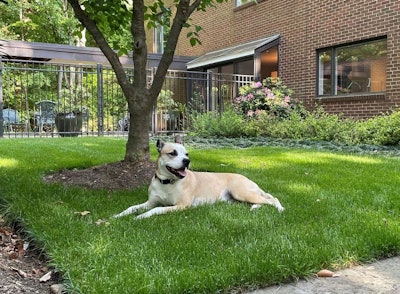
Pet’s needs are becoming a primary design consideration. This includes setting up durable “zoomie zones” for play, selecting pet-safe plant species, planting plenty of shade trees, and selecting paw-friendly grasses. Also look for built-in feeding and watering stations, puppy splash pads, and dog houses that blend seamlessly with the home’s aesthetic (a.k.a. “barkitecture”).
• Pocket Forests & Personal Mini Parks
Inspired by urban ecology movements, homeowners are becoming local conservationists. To support local habitat, homeowners will create small, dense pocket stands of trees and shrubs meant for their microclimate within their own yards. This trend directly mirrors growing public demand for easily accessible neighborhood mini parks, walking trails and community green spaces. It reinforces the idea that the personal yard is a vital piece of a larger, connected ecosystem.
• “Prosumer” Purchases
Homeowners will demand high-performance tools that offer commercial-grade power and durability, reflecting a new “prosumer” mindset. These purchases prioritize the use of technology that not only delivers the power needed for the job at hand but which is also easier than ever to use.
To learn about the power of parks and other green spaces around us, visit TurfMutt.com.