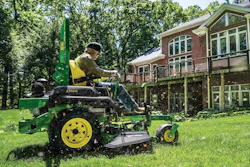











With March 1-7 being Lawn Mower Maintenance Week, this is a good time to remember to perform the essential tune-ups on your walk or zero-turn mower that help prevent mid-season breakdowns. Total Landscape Care spoke to Wes Bollingmo, channel and product support manager at Toro, for some helpful tips. While basic maintenance is familiar to many mower operators, Toro is drawing attention this year to the two biggest threats to the mower’s engine: Friction and heat.
“Heat is the silent killer of outdoor power equipment,” says Bollingmo. “Think of your mower like your own body. It needs to breathe to keep moving. Clear airflow keeps it cool, clean surfaces help shed heat and fresh oil reduces internal stress. If any of those are blocked, heat can build up and that’s when failures happen.”
Proactive care prevents problems
According to Bollingmo, failing to care for your mower's engine the right way can be detrimental.
"When oil or cooling systems are neglected, the engine runs hotter, leading to failure," he says. "If the oil isn’t changed regularly, it loses viscosity. Without the oil’s proper lubrication, metal components rub together which can cause increased friction and friction creates heat. Oil helps transfer heat away from the engine, so if it has degraded, it can lead to overheating."
Similarly, if the air filter is clogged, it can trap heat inside the mower, continues Bollingmo. Besides overheating, the mower may also use more fuel to compensate for the lack of air coming into the unit which will lead to higher costs for landscapers.
"Old fuel can lead to issues in the engine and throughout the mower," he explains. "When it breaks down, the fuel forms gummy deposits which can clog up the carburetor and fuel lines. If the gas was an ethanol blend, there are bigger risks. Ethanol attracts water, and if left sitting in the mower, it could lead to rust and corrosion inside the tank and engine."
Outside of the engine, dull blades can be detrimental to the quality of work. A dull blade doesn't cut the grass cleanly; it tears the grass and can cause the yard to look brown because the torn ends have more surface area to take in the heat, says Bollingmo.
This year, Toro encourages homeowners and landscape professionals to treat Lawn Mower Maintenance Week like an annual physical. The Mower Engine Health Checklist below can serve as an at-home, once-a-year checkup to help prevent overheating and keep mowers running reliably.
Toro's Mower Engine Checklist
● Check Your Vitals: Oil Quality and Level
Fresh, high-quality oil reduces internal friction, and maintaining correct quantities ensures proper lubrication. Oil carries heat away from moving parts to be cooled by the engine case; when levels run low, heat stays trapped around the piston and crankshaft, increasing the risk of failure.
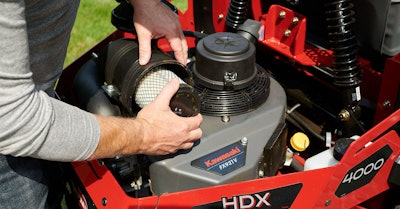
● Breathe In: Replace the Air Filter
A clogged air filter acts like a thermal blanket, trapping heat and causing poor running conditions. Replacing the filter allows the engine to pull in cool air, regulate temperature and maintain efficient combustion.
● Breathe Out: Clear the Mower Deck
Dried grass clippings trapped under the deck disrupt airflow and trap heat. Scraping and washing the deck clean allows better airflow, reducing heat and resulting in a better cut.
● Stress Test: Inspect Blades
Dull or unbalanced blades create excessive vibration, leading to costly component failures and generating unnecessary heat. Sharp, properly balanced blades help the mower run smoothly and efficiently.
● Posture Check: Air Up the Tires
Low tire pressure tilts the mower causing an uneven cut and increased resistance, forcing the engine to work harder. Properly inflated tires keep the mower level for a smoother, cooler-running cut.
Get ready for the season
With mowing season just around the corner, Bollingmo says that now is the time to perform a routine check-up.
"Annual preseason maintenance helps in a few ways," he says. "First, it allows operators to catch bigger maintenance needs early and can adjust operation plans if needed. Second, it maximizes the mower’s performance; ensuring operators are working efficiently all season long. And finally, it helps to prevent costly equipment breakdowns and unexpected downtime once the books are full. Machines that have to be taken out of rotation in the Spring mean less revenue and productivity for the crew."
Discover additional spring lawn care tips, maintenance resources and replacement parts at toro.com. Toro also invites lawn care pros to join the conversation March 1–7 on social media using #LawnMowerMaintenanceWeek.